The Problem Every HVAC Contractor Knows
Every split system and mini-split installation requires at least one line set penetration through an exterior wall. Refrigerant lines, control wiring, and a condensation drain line all need to pass from the interior unit to the outdoor condenser. That wall penetration is where problems start — and where they keep coming back if you do not handle it correctly during rough-in.
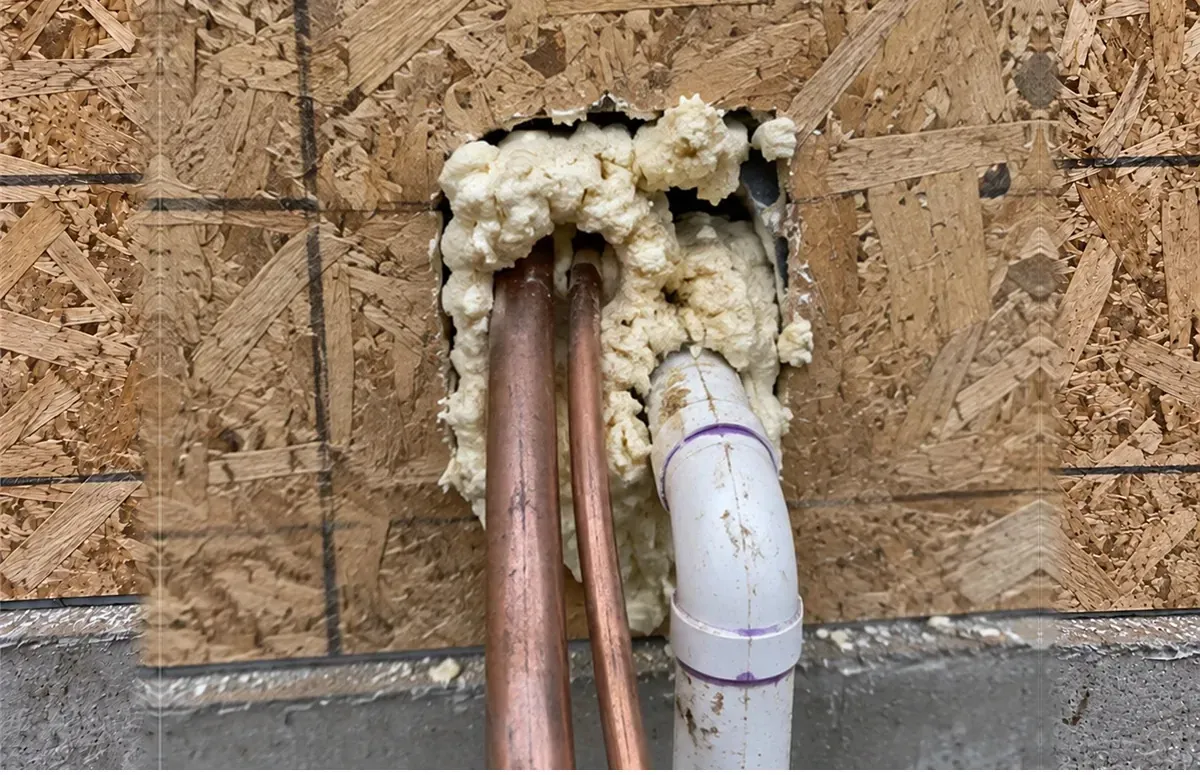
Plumbers have washer boxes. Electricians have junction boxes and old-work rings. These are purpose-built rough-in products that create a clean, defined termination point in the wall. For decades, HVAC contractors have had nothing equivalent for line set penetrations. The standard approach has been to drill a hole, run the lines through, pack it with foam, and hope for the best.
That approach creates four problems that follow you long after you leave the job site.
Without a defined pathway, copper refrigerant lines get kinked during construction. Other trades working in the same bay bump, push, and compress lines that were left unprotected in an open wall cavity. A kinked line means restricted refrigerant flow, reduced system performance, and a service call that traces back to your install.
A foam-packed hole degrades over time. Spray foam shrinks, cracks, and gets chewed through by rodents and insects. Within a year or two, that sealed penetration becomes an open invitation for pests — and the homeowner calls you, not the exterminator, because the hole is where your lines come through.
Builders and homeowners notice quality. A line set that exits the wall through a rough, foam-filled hole with visible gaps does not look professional. On high-end residential work, that kind of finish costs you repeat business. Builders talk, and they hire the contractor whose installs look clean.
Air infiltration, water intrusion, and pest entry at an unprotected penetration all generate callbacks. Each callback costs you truck time, labor, and reputation. The money you saved by skipping a proper rough-in gets spent many times over on return trips.
What a Lineset Rough-In Box Actually Is
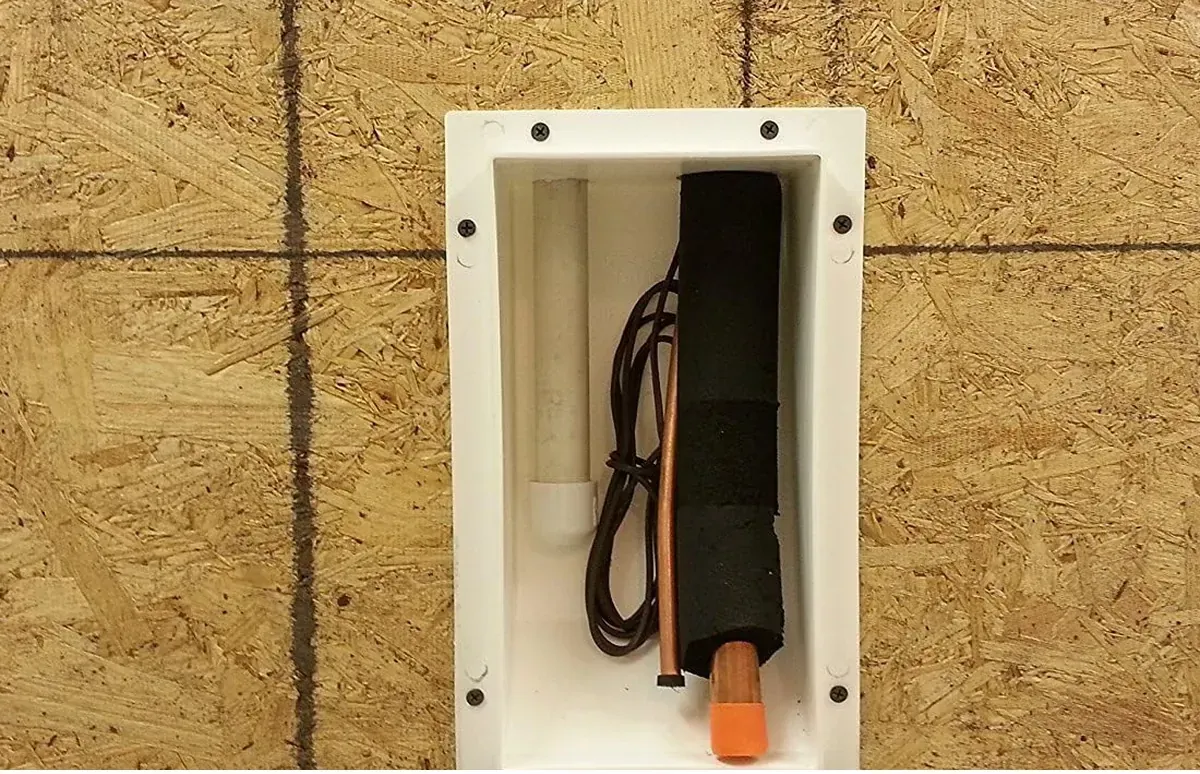
A lineset rough-in box is a purpose-built enclosure that installs between wall studs during the rough-in phase of construction. It creates a defined, protected pathway for refrigerant lines, control wiring, and condensation drains to pass through the wall. Think of it the way an electrician thinks about a junction box — it is the proper, code-grade way to handle a penetration.
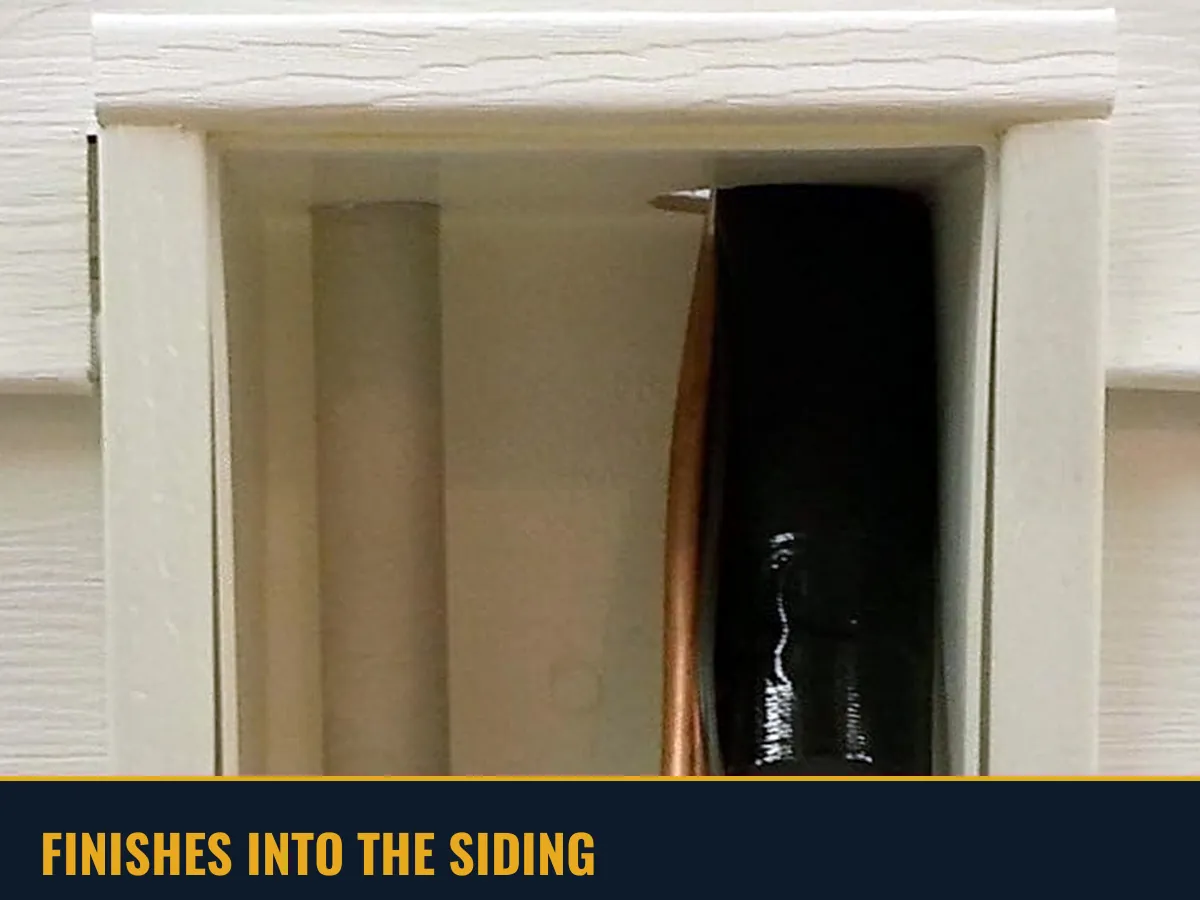
The box mounts to the studs before drywall goes up. Your lines route through the box, which protects them from other trades, construction debris, and the drywall crew. When the wall is finished, the box provides a clean termination point on the interior and exterior — no foam hacking, no improvised trim rings, no exposed holes.
The Lineset Box by J.T. Products
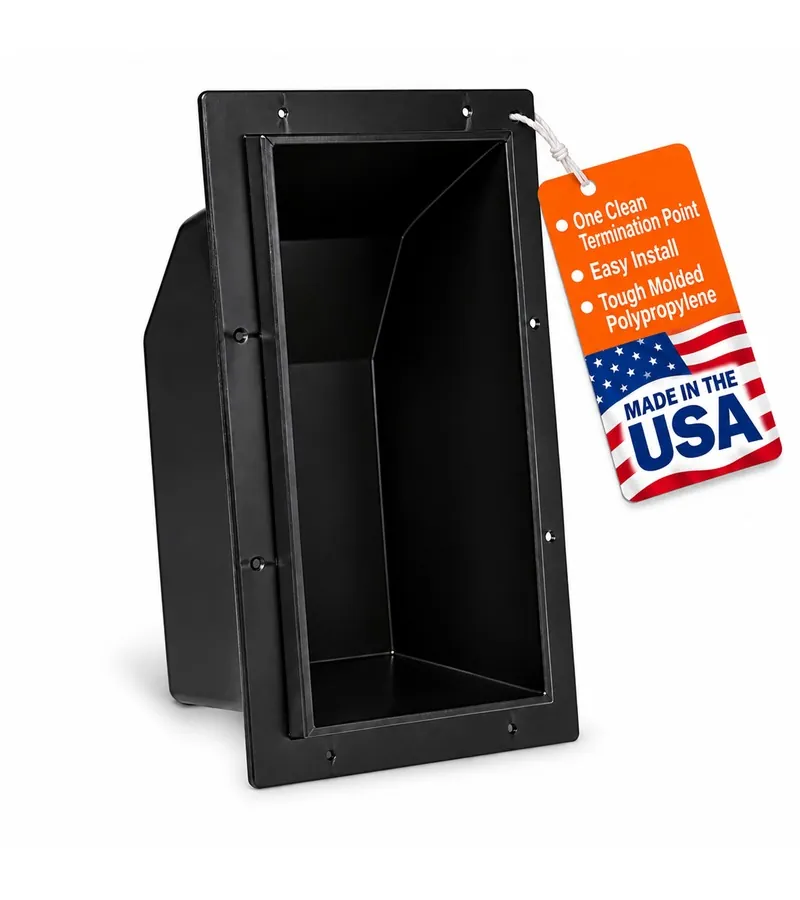
The Lineset Box is a patented rough-in box designed specifically for HVAC line set penetrations. It is the only product on the market built for this exact purpose. Here is what it does and why it matters on the job:
Installation Overview
The Lineset Box is designed to be installed during the rough-in phase, before drywall. The process is straightforward:
- Mount the box to the stud bay. Position the Lineset Box between the studs at the desired penetration point. Fasten to the studs with standard screws.
- Route your lines. Run refrigerant lines, control wiring, and condensation drain through the box. The box protects the lines during the rest of the construction process.
- Seal and finish. After drywall, seal around the box on both the interior and exterior. The box provides a clean frame for your seal — no improvised trimming or foam work.
Where It Makes the Biggest Difference
New Construction
This is where the Lineset Box has the highest impact. During new construction, your rough-in happens weeks or months before the system goes live. In that time, other trades are framing, running wire, hanging drywall, and painting — all in the same wall cavities where your unprotected lines sit. The Lineset Box eliminates the risk of construction damage to your line set and ensures a clean penetration when the job finishes.
Mini-Split Installations
The mini-split market is growing fast, and every ductless installation requires at least one line set penetration. On retrofit work, the Lineset Box gives your install a finished look that stands apart from the typical "hole with foam" approach. On new construction mini-splits, it provides the same rough-in protection as on any split system.
High-End Residential
Builders on high-end residential projects pay attention to detail — and they expect the same from every trade. A clean line set termination with a proper rough-in box tells the builder you take your work seriously. That impression directly translates to repeat work and referrals.
Commercial and Multi-Family
On commercial and multi-family projects with dozens of line set penetrations, consistency matters. The Lineset Box gives every penetration the same clean, standardized finish. Inspectors see uniformity. Building owners see quality. And your crew works faster because the process is the same every time.
What Contractors Currently Do (and Why It Falls Short)
Without a purpose-built rough-in box, contractors typically handle line set penetrations one of three ways:
- Drill and foam. Drill an oversized hole, run the lines, pack the gaps with spray foam. Fast on install day, but the foam degrades, shrinks, and allows air and pest infiltration over time. The finish is rough and unprofessional.
- Escutcheon plates after the fact. Some contractors add trim plates on the interior or exterior to dress up the penetration. This helps cosmetically but does nothing to protect lines during construction or provide structural weatherization.
- Leave it open and seal later. On some jobs, the penetration is left partially open with the intent to seal at trim-out. But construction schedules slip, details get missed, and the penetration stays under-sealed.
All three approaches share the same fundamental problem: they treat the line set penetration as an afterthought instead of a planned rough-in step. The Lineset Box makes it a planned step, just like a washer box or electrical box.
The Lineset Box is a patented design manufactured in the USA by J.T. Products LLC. It is the only product on the market built specifically for HVAC line set rough-ins. Available through HVAC wholesalers nationwide including Ferguson, Sid Harvey Supply, R.E. Michel, and Gensco — plus Amazon for single-unit orders.
Add the Lineset Box to Your Next Install
Available at HVAC distributors nationwide and on Amazon. Black and white options in stock.
Find a Distributor Buy on Amazon